By Matt Clark, Scottish Demonstration Farm Placement Student
I’m one of the placement students working within the Scottish Uplands team for the Game & Wildlife Conservation Trust. For two months, I have been based at Auchnerran Farm, surrounded by the rugged upland landscape of Scotland’s Cairngorms National Park.
Arriving in Auchnerran during late August, I was greeted with stunning views, miles of countryside and picturesque villages. I also became aware of just how isolated I was compared to my previous year living in a city, as the nearest supermarket was now a 40-minute drive as opposed to a 5-minute walk. But whilst the isolation was a shock initially, it was quickly replaced by admiration of the gorgeous valleys and abundance of wildlife on my doorstep.
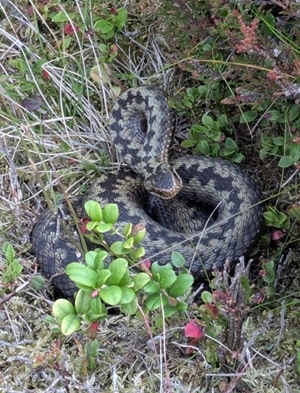
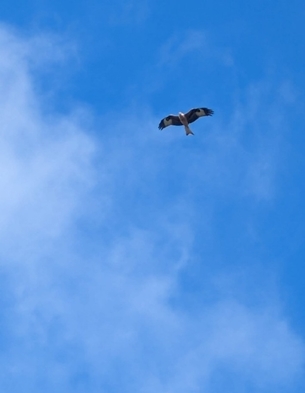
An adder and red kite seen during fieldwork.
The first few weeks of placement felt like a baptism of fire, encompassing off-road driving, outdoor first aid, peat depth surveys and grouse gut analysis. This was all part of my role in assisting the Advisory department, travelling all over the country for peat depth surveys working on the moors through wind, rain, hail and occasionally sun.
During these surveys I learnt about moorland management in Scotland, specifically the muirburn, a long-standing heather management technique carried out to provide varied habitat for red grouse. From dawn until dusk I’ve observed a variety of wildlife on the moor, watching red kites soar overhead and mountain hares dart across the hillside.
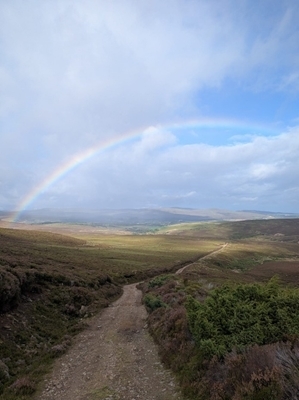
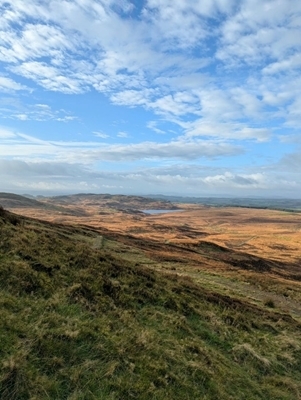
Landscapes taken while on fieldwork.
Away from the hills, lab work in Auchnerran has consisted of red grouse gut analysis, identifying the parasitic nematode Trichostrongylus tenuis, a worm that burrows into the walls of the caeca causing internal bleeding. At high burdens, this affects grouse digestion, resulting in reduced breeding success, higher mortality and subsequent population crashes. This work requires a keen eye for detail as you need to identify multiple (sometimes over 100) worms in a small sample. These counts are used to estimate worm burden on the hill, informing estate management.
I have also been assisting the Advisory team, writing reports and developing skills in data analysis and ArcGIS. A particularly interesting task outside of the office has been radio-tracking tagged grouse as part of the wider maternal grouse project.
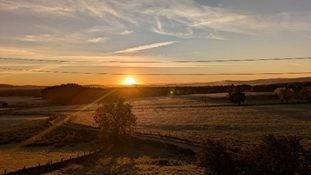
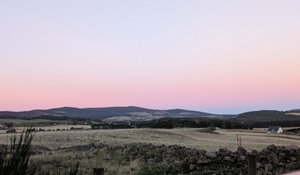
Sunrise and sunset on placement.
Outside of work, I have been travelling across Scotland, visiting quaint villages, ruined castles, gorgeous beaches and serene nature reserves. A particular highlight of my weekend travels has been climbing Ben Nevis (the highest mountain in the UK) and photographing polar bears at the Highland Wildlife Park. I feel I have only scratched the surface of exploring Scotland and look forward to visiting many new places in the future.
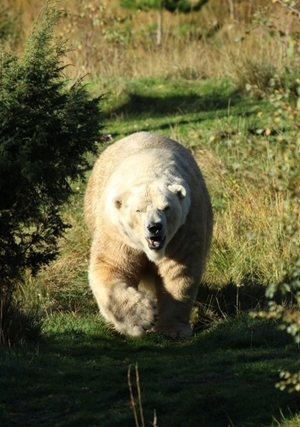
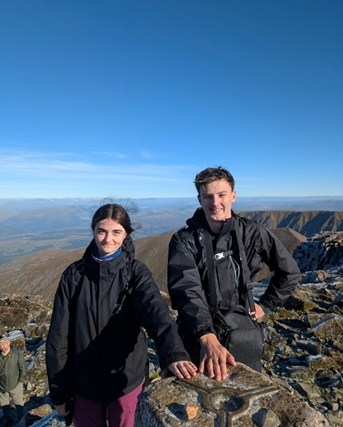
The Highlands Wildlife Park and Ben Nevis.
With the temperature dropping, roads icing over and mountains becoming capped in snow as Scotland enters its harsh winter, I look forward to starting work on the maternal grouse project in the spring.
Photo credit: Matt Clark & Beth Lawrence