By Daisy Aspinall and Beatrice Cooke
We are Daisy and Bea, the Uplands Research placement students based in the North Pennines. We arrived in August at the tail end of field season and headed out onto the moors for red grouse vegetation surveys as part of the Maternal Grouse Project. Straight away we were met with sunny skies and the calls of meadow pipits and oystercatchers. Prior to starting, neither of us had been lucky enough to witness a black grouse; however early morning core brood counts with pointing dogs soon changed this. We were met with enough that we were practically tripping over them, along with as many as seven short-eared owls!
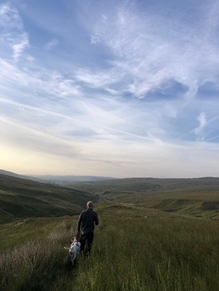
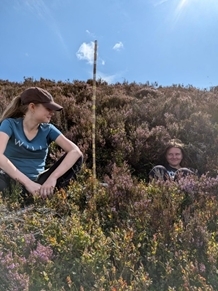
Brood counts and vegetation surveys
Our driving skills were then soon put to the test as we attended a 4x4 off-roading course in the company truck. The new skills were quickly put to use on the rough tracks of the study sites. We then went on a long journey down to Fordingbridge in early September to undertake some invertebrate identification training at GWCT HQ. We did three full days of training which was intense but very rewarding as we picked up the skills in no time. We returned to the Eggleston office with confidence in our newfound skills, eager for a winter of invertebrate identification from sweep net samples collected during black grouse brood foraging fieldwork earlier this year. We are primarily looking at sawfly larvae as they are a key prey item for black grouse chicks in the first few weeks after hatching. We look forward to collecting further invertebrate samples from maternal grouse field sites, using sticky traps, and from heather management study sites, using pitfall traps, during next years field season.
Another long drive soon followed as we headed up north this time for a visit to our Scottish uplands office at Auchnerran in the Cairngorms for team building. It was great to meet the rest of the Uplands Research team and we felt really welcomed! The scenery was impressive and we particularly got to experience this driving back home through the Cairngorms National Park (the journey took a little longer than expected due to the sheer amount of photo opportunities). On our return we welcomed two new Research Assistants to the team, who as previous placement students brought with them useful experience and fresh ideas. Mid-November saw the arrival of snow and Scotland as the Auchnerran team came down to visit us this time for our bi-annual Upland Research Steering Committee Meeting. We got the opportunity to tour the Scottish students around the Pennines on the hunt for black grouse; little did we know we would be driving into the first snow of placement. It truly felt like we’d been thrown into winter. We could just about make out kestrels, black grouse, and snipe through the flurries.
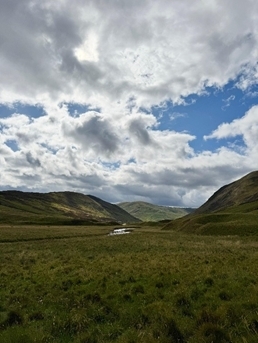
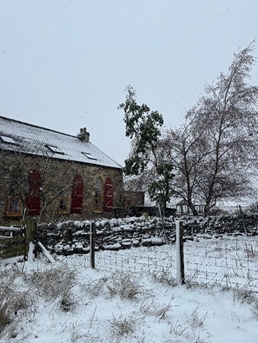
Cairngorms and snow
Outside of work, we have found ourselves exploring much of the local area from walks at High Force Waterfall to early morning wildlife drives at our local reservoir- clearly we can’t get enough of the upland residents! We’re trying to immerse ourselves as Teesdale locals by visiting the monthly village market, joining several sports teams and grouse beating on surrounding estates. We’ve been making the most of rural life and we’re lucky enough to see incredible sunsets and glimpses of the Milky Way in such dark skies.
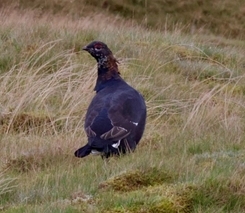
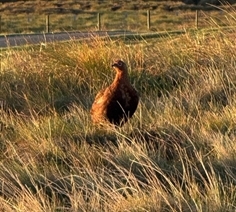
Black grouse and red grouse
In anticipation of the field season, we are looking forward to being kept busy with the impressive sight of black grouse leks, frequent radiotracking of red grouse and spending most of our time outdoors. We’re excited to further our practical conservation and research skills throughout the ongoing projects, reaping the rewards of a year in industry.