Blogs
-
in:
GWCT News Blog
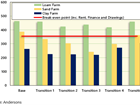
The transition to regenerative agriculture is an opportunity for farmers to improve soil health, strengthen resilience and reduce reliance on costly inputs. But what does that transition actually cost, and who should bear the risk?
-

in:
Allerton Project Research Blog
For 35 years the Allerton Project has been at the forefront of providing the evidence base upon which the modern agri-environmental scheme stands, and we strongly believe that a well-planned and executed scheme returns multiple benefits to the farm business:
-

in:
Allerton Project Research Blog
Due to this summer’s extreme weather, cereals were harvested three weeks earlier than you would normally expect. This resulted in a yield loss of around 10% to 30% on most crops.
-
in:
GWCT News Blog
under:
Farmland Ecology
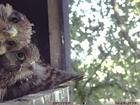
Over the past two years, the kestrel monitoring project led by Dr Francis Buner set out to improve our understanding of the reasons behind the decline of the species.
-

in:
GWCT News Blog
under:
Policy
As the leading independent, scientific, evidence-based organisation on gamebird management, the GWCT very much looks forward to engaging with Defra over the coming weeks as part of this call for evidence.
-

in:
GWCT News Blog
under:
Farmland Ecology
A BBC News report from last week rightly celebrates the good news that two broods of three Montagu’s harriers have successfully fledged at a “secret location” in the south of England.
-
in:
GWCT News Blog
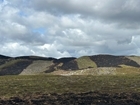
There’s been a total of 16 significant wildfires in Wales covering a total of 10,662 hectares since early May. As I write this eight of these are showing up on real time satellite data as either still burning or have major hotspots indicating that the fire continues to smoulder underground in the peat.
-
-
in:
Uplands Blog
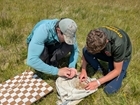
This fieldwork season, the GWCT Upland Research Team in County Durham hosted five work-experience volunteers, offering them an exciting and unique opportunity to spend some time taking part in ongoing black grouse and red grouse research.
-
in:
GWCT News Blog
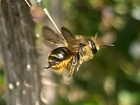
When people think of bees, they usually picture honeybees in hives or bumblebees buzzing between flowers. Yet most of Britain's bee species live a very different life. Around 70% of our wild bees nest underground, quietly engineering tunnels, chambers and nurseries beneath our feet.
Get the Latest News & Advice
Join over 100,000 subscribers and stay updated on our latest advice, research, news and offers.
*You may change your mind any time. For more information, see our Privacy Policy.