By Dr Roger Draycott, Director of Advisory & Policy
 As the leading independent, evidence-based organisation on gamebird management, the Game & Wildlife Conservation Trust worked hard to submit a significant body of scientific research to Defra as part of the government’s Call for Evidence on Gamebird Release, Shooting and Welfare during Rearing in England.
We submitted our detailed response alongside an additional 120 scientific papers. The call for evidence covered all types of game shooting, not just reared birds but also grouse and wild pheasants and wild partridges. We have been undertaking peer-reviewed research on the ecological impacts of gamebird management (positive and negative) for over 30 years, and our network of experienced advisors work with shoots daily to help them ensure they are delivering a net biodiversity gain. We put our research into practice at the GWCT’s demonstration shoot at Loddington in Leicestershire, where we have shown, (twice) over a 30-year period, that we can deliver double the number of songbirds on the farm when we have a well-run pheasant shoot in operation.
Over the years, our scientific research on ecological impacts has covered numerous multi-site studies comparing biodiversity on farmland and woodland habitats. Where we have identified positive impacts we have advised shoot managers to implement management actions on the ground to deliver more positive outcomes, and where we have identified negative impacts we have developed management strategies to mitigate for them and reduce their impact.
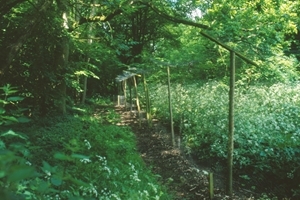
In a nutshell, there is an approximate balance of positive and negative impacts, but the negative ones tend to operate at the local level (e.g. impacts on ground flora around release pens) and the positive ones tend to operate at the landscape level, such as breeding songbird numbers benefiting from game cover provision and late winter supplementary feeding. The negative impacts can be mitigated by following best-practice guidelines such as the GWCT’s sustainable releasing guidelines. The impacts of gamebird releases on the environment and wildlife are nuanced and complex, contrary to the simplistic messages we often hear, making it vital that future policy is informed by robust science and evidence.
Overall, the evidence shows that best practice gamebird management can boost biodiversity alongside productive farming at the scale required for national nature recovery, offering a huge contribution to public goods at no cost to the taxpayer. In addition to submitting our own evidence, we supported our members and clients to submit their own evidence and we engaged with the Defra gamebird team in a constructive way, including hosting officials at the GWCT’s farm and shoot in Leicestershire to show sustainable game management and nature recovery in action on the ground.
Defra has been clear to emphasise nothing is decided in terms of future regulatory approaches and that any new policies on game shooting will be based on an independent review of that evidence before deciding on next steps. The GWCT has welcomed the opportunity to provide a significant evidence base on the environmental aspects of sustainable game management. Whatever future direction Defra may take on gamebird shooting and management, it is clear that shooting is under the spotlight in a way that it has never been before and we encourage all shoot managers to be able to demonstrate that they are net positive for biodiversity – surely the best way to secure a long term sustainable future for game management.
The GWCT can help shoots with initiatives to collect and record the data. Contact advisory@gwct.org.uk for further details, and click here to see what we’re doing to champion Game For Nature.