Written by Jayna Connelly, Science Communicator
Across the globe, thousands of people are quietly helping to shape the future of conservation, not through grand gestures, but by taking part in something simple, powerful and increasingly essential: citizen science. For organisations like the Game & Wildlife Conservation Trust (GWCT), science has always been at the core of our work.
To start with this work relied on labour-intensive field studies by a small number of specialists. This approach and expertise is still the backbone of our research and advice today. However the value and potential of citizen science have become far more than ‘nice extras’, both at the Trust and conservation more widely. From historical records and more modern initiatives, these now form a crucial element of long‑term ecological understanding. They help us track change, spot emerging issues and guide practical action on the ground.
And the best part? Anyone can get involved.
A national effort with real impact
The field of ecology has historically been a challenging sector to enter, with barriers such as limited opportunities, lack of diversity and financial constraints. Yet, those working within the sector are often keen collaborators, passionate about sharing knowledge and fostering new enthusiasts. Citizen science is a prime example of this inclusive spirit, where research is conducted with participation from the general public/non-professional researchers.
Over the past decade, citizen science has transformed how we monitor wildlife. With so many species declining and ecological change happening faster than ever, no single organisation can gather all the data needed to understand what’s happening. But thousands of volunteers allow projects to optimise efforts and create simpler, more accessible methods, allowing more people to contribute. With each person contributing a little, a picture can be built that is scientifically robust and nationally valuable.
Every sighting counts
Platforms like iRecord allow anyone to log wildlife sightings, from butterflies and bumblebees to birds, mammals and plants. Each verified record becomes part of a national dataset used by researchers, conservation bodies and local authorities. A single observation may seem small, but collectively they reveal trends in species distribution, abundance and seasonal behaviour.
There are always hurdles to overcome though, even with more recent datasets. Every type of wildlife recording has its own strengths and weaknesses. Some, like ‘fit counts’, are highly structured and accessible but limited to one individual flower so recorders miss wildlife visiting other flowers in the area. Other ad hoc records can highlight particular species of interest, however, just because a species wasn’t recorded in a certain place at a certain time doesn’t necessarily mean it wasn’t there. This lack of absence data is one of the biggest challenges when trying to use all this information. Statisticians from organisations across the country work to fill in the gaps, using the data available to create reports like the State of Nature, which helps us understand how wildlife is changing over time.
Seasonal surveys
Some citizen science projects focus on particular groups of species, making them ideal for beginners or anyone wanting a structured way to get involved.
- Big Butterfly Count
Run each summer, this national survey asks participants to spend just 15 minutes counting butterflies. It has become one of the world’s largest insect surveys, providing vital information on how climate and land‑use change are affecting pollinators.
- FIT Counts (Flower–Insect Timed Counts)
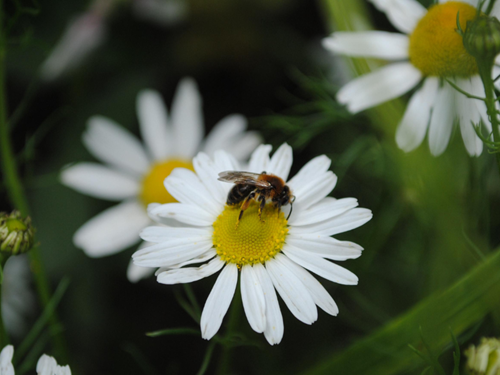
FIT Counts record how many insects visit a patch of flowers in ten minutes. These simple observations help track pollinator activity and the health of flowering habitats - crucial for both wild species and farmland crops.
- BeeWalk, Garden BirdWatch and more
From bumblebee transects to weekly garden bird lists, there is a citizen science project for every interest and experience level. Each one adds another piece to the ecological puzzle and helps build a clearer picture of how wildlife is responding to change.
The Big Farmland Bird Count: your chance to support wildlife where it matters most
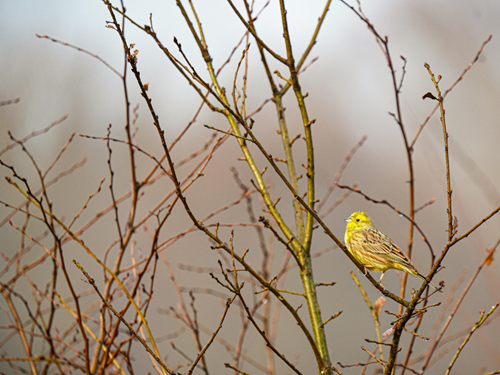
While national schemes are invaluable, some very important data for GWCT comes from the Big Farmland Bird Count (BFBC), a project designed specifically for farmers, land managers, gamekeepers and anyone who has permission to help survey on farmland. Farmland birds have declined dramatically over the past 50 years, yet many species respond quickly when good habitat and winter food are available. The BFBC helps us understand how birds are faring on working farmland and highlights the positive impact of conservation‑minded management.
The BFBC provides a national snapshot of farmland bird populations each year, showcasing the work already happening on farms and helping participants track the effects of their own habitat management. The results also strengthen the case for supportive policies and funding by demonstrating the value of hedgerows, winter seed mixes, cover crops, supplementary feeding and predator control. Every count adds to a growing dataset that underpins practical conservation on the ground.
Taking part is straightforward. Choose a spot on your farm or shoot with good visibility, spend 30 minutes recording all the birds you see, and submit your results through the PERDIXPro Fieldbook app – it only takes 10 minutes and it can be done in the field. You don’t have to be an expert to take part. There is plenty of help at hand such as the Merlin Bird ID app, or why not contact your local ornithological society to ask for help and offer them the chance to see the birds on your land. Repeating the count each year builds a long‑term picture of change and helps demonstrate the difference good management makes. Whether you’re a seasoned birdwatcher or a complete beginner, the BFBC is accessible, rewarding and genuinely impactful, a simple way to support wildlife where it matters most.
Small actions, big outcomes
Some citizen science projects have been going for decades. For example the GWCT’s National Gamebag Census began in 1961, and our Partridge Count Scheme has been running since 1933. Both these schemes are still actively encouraging counts from shoots, farmers and land manager every year.
It’s incredible to think that the data collected 50 years ago is now being used in ways those early records could never have imagined. Just imagine how valuable the data we collect today could be to scientists in another 50 years!
Citizen science is one of the most effective ways for people to support conservation. It empowers individuals, strengthens communities and provides the evidence needed to protect wildlife at local and national scales.
For GWCT supporters, it’s also a way to stay connected to the landscapes you care about, and to contribute directly to the science that guides our work.