Latest News
-
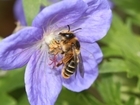
A new study published in Biological Conservation identifies that we need to rethink the type of special flowering crops that we grow to help our ailing bee populations.
-

The Chairman and Trustees of the Game & Wildlife Conservation Trust (GWCT) are delighted to announce that Teresa Dent, Chief Executive of the Trust has been awarded a CBE for services to wildlife conservation in this year’s Queen’s Birthday Honours List.
-
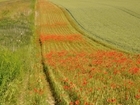
As well as being Ascot week this is also the peak hatching time for young partridge chicks. The question is will there be enough insects on farmland across the country this week to help these declining young birds survive?
-
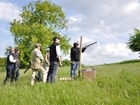
A clay shoot in Sevenoaks, Kent has raised £60,000 to be shared between two charities: Demelza Hospice Care for Children, and leading wildlife research charity the Game & Wildlife Conservation Trust (GWCT).
-
Nearly 400 years after his death, William Shakespeare is coming to the aid of the UK's leading wildlife research charity, the Game & Wildlife Conservation Trust (GWCT). The charity is to benefit from an open-air production of 'The Comedy of Errors' by the Castle Theatre Company at Glemham Hall, Woodbridge, Suffolk on Sunday 5 July, with the proceeds going towards funding groundbreaking conservation science research.
-
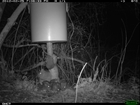
It is now widely recognised that game and other struggling farmland birds have a better chance of survival when over-winter supplementary grain is provided to sustain them over the leanest times of the year. But until now there has been no systematic research on how much of this costly, but life-saving food is wasted on rats and other undesirable pests.
-
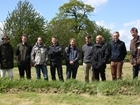
According to a comprehensive new report on Europe’s wildlife and natural habitats, one in three European birds are now endangered, with once common species such as turtle doves, corn bunting and grey partridge plunging to an all-time low.
-
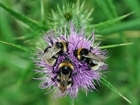
A new study published in the science journal Biological Conservation identified that double the amount of uncultivated land currently being devoted to bees and other pollinators on farmland needs to be created to boost declining insects such as bees, butterflies and hoverflies.
-
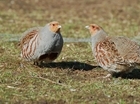
Researchers at the Game & Wildlife Conservation Trust (GWCT), who are studying wild grey partridges – one of our fastest declining farmland birds – are hoping for a warm summer this year to repeat the breeding success of 2014, which saw an encouraging 18 per cent increase in grey partridges.
-
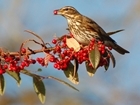
An army of farmers, gamekeepers and land managers looking after nearly one million acres of farmland turned out in their droves this winter to count their birds in the Game & Wildlife Conservation Trust’s second Big Farmland Bird Count, which ran between 7 – 15th February.
Get the Latest News & Advice
Join over 100,000 subscribers and stay updated on our latest advice, research, news and offers.
*You may change your mind any time. For more information, see our Privacy Policy.