GWCT News Blog
-
in:
GWCT News Blog
under:
Farmland Ecology
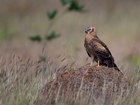
A BBC News report from last week rightly celebrates the good news that two broods of three Montagu’s harriers have successfully fledged at a “secret location” in the south of England.
-
in:
GWCT News Blog
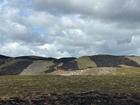
There’s been a total of 16 significant wildfires in Wales covering a total of 10,662 hectares since early May. As I write this eight of these are showing up on real time satellite data as either still burning or have major hotspots indicating that the fire continues to smoulder underground in the peat.
-
in:
GWCT News Blog
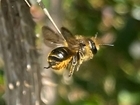
When people think of bees, they usually picture honeybees in hives or bumblebees buzzing between flowers. Yet most of Britain's bee species live a very different life. Around 70% of our wild bees nest underground, quietly engineering tunnels, chambers and nurseries beneath our feet.
-

in:
GWCT News Blog
The National Alert over the weekend is welcome in that it acknowledges the threat of wildfire to local communities, businesses and critical infrastructure, not just to environmental assets.
-

in:
GWCT News Blog
under:
Policy
Last year we applauded NE’s creation of firebreaks on Hatfield Moss as mitigation against identified wildfire risk. It is therefore welcomed that the latest blog by Natural England on reducing wildfire risk references this in the section on the work they are doing on their reserves.
-
in:
GWCT News Blog
The Veterinary Medicines Directorate (VMD) began collecting and publishing antibiotic usage data for the gamebird sector in 2016, creating the baseline against which the industry’s progress is now tracked. Substantial efforts have followed within the game sector, which has reduced usage by 48% since that baseline year.
-

in:
GWCT News Blog
under:
Policy
There has been a lot of media commentary on the firewave that England is currently experiencing and, quite rightly, there have been calls for greater management of the vegetation (fuel load) within semi-natural habitats and on the rural-urban fringe.
-
in:
GWCT News Blog
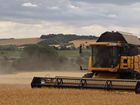
As we swelter through a third heatwave in as many months I defy anyone who has experienced the wild swings of climate since 2018 to argue that climate change is not now exerting a throttling influence on UK farming.
-

in:
GWCT News Blog
under:
Policy
Climate projections present a challenging future for our upland peatlands and the carbon stored in them. But little analysis has been made of the effectiveness of the peatland restoration techniques employed, given the investment of taxpayers’ money by government. Peaky BlindSpots was a project that sought to fill this gap.
-

in:
GWCT News Blog
Solitary bee anatomy is crucial for both the way they live their lives and also for us identifying them. Understanding their anatomy can help us better understand them and their conservation needs.
Get the Latest News & Advice
Join over 100,000 subscribers and stay updated on our latest advice, research, news and offers.
*You may change your mind any time. For more information, see our Privacy Policy.