By Alex Keeble, Game and Wildlife Advisor (Central England)
Antibiotic reduction is an ongoing issue affecting many sectors of farming, including cattle, pigs, poultry, sheep, fish and gamebirds. The Veterinary Medicines Directorate (VMD) began collecting and publishing antibiotic usage data for the gamebird sector in 2016, creating the baseline against which the industry’s progress is now tracked. Substantial efforts have followed within the game sector, which has reduced usage by 48% since that baseline year.
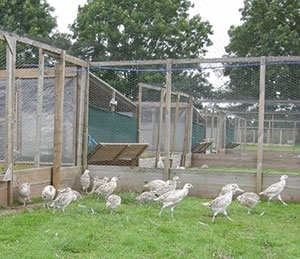 Within pheasant release pens, there is considerable potential to lower antibiotic reliance by improving management practices and preventing disease before treatment becomes necessary. The core principle of the Game & Wildlife Conservation Trust’s (GWCT) Guidelines for Sustainable Gamebird Releasing is to balance the environmental benefits of habitat management against the ecological impacts of releasing, minimising biodiversity loss and achieving a net-positive environmental outcome. The maximum release densities it recommends - 1,000 birds per hectare of release pen in non-sensitive sites such as plantation woodland, and 700 birds per hectare of release pen in sensitive woodland such as ancient semi-natural woods - are based on peer-reviewed GWCT research.
Experience gained from working with shoot managers across the country, alongside practical application at the GWCT’s Allerton Project demonstration shoot, shows that adhering to these stocking densities can deliver a biodiversity net gain, while also improving bird husbandry and reducing the likelihood of antibiotic use. Disease in release pens often follows a predictable pattern, typically beginning with stress. This stress can arise from several factors, including adverse weather, poor habitat quality, excessive disturbance, predation pressure, overcrowding, or competition for food and water. Once birds are stressed, they become more susceptible to disease, which can then lead to increased predation and a general decline in bird performance. These problems can persist throughout the shooting season and may even carry over into subsequent years.
A practical example from a shoot in North Wales shows how simple management changes can significantly reduce antibiotic use. By closely following GWCT stocking density recommendations and improving habitat provision, the shoot has enhanced bird health and resilience. Woodland areas have been managed to create a balanced structure of roughly one-third open space, one-third low cover and one-third mid-storey suitable for roosting. This has been achieved through targeted thinning to maintain a diverse woodland mosaic; in some instances, larger pine and larch stands have been heavily thinned to enhance ground-level flora and associated wildlife.
In addition, some release pens now incorporate adjacent fields sown with crops such as triticale, chicory and reed canary grass. These provide extra shelter for young poults while still allowing access to sunlight, which is important for their development. Where open areas are included, it is essential that they are planted with a mix of shrubby tree species alongside game cover crops, with perennial species generally preferred for long-term stability. Improvements to infrastructure, such as increasing the number of feeders and drinkers, have also supported better game management. Supplementing water with multivitamins, electrolytes and acidity regulators has further contributed to maintaining bird health. Importantly, the costs associated with enlarging release pens, upgrading infrastructure and managing woodland habitats are relatively low when compared to the financial impact of disease, including medication costs and reduced shoot returns.
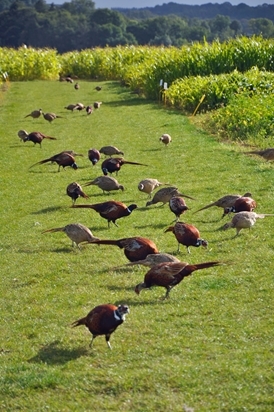 The pen scoring matrix - developed by St David’s Game Bird Services with other veterinary practices and shooting organisations, and published by the Game Farmers’ Association (GFA) - offers a practical tool for reducing antibiotic reliance. This system uses a structured scoring approach to identify areas where the release environment can be improved, helping to enhance bird welfare, limit disease risk and support more sustainable practices across the shooting season.
Another valuable initiative is the Trusted Game scheme, launched in 2022. This audit-based programme, developed by specialist gamebird vets in collaboration with their gamekeeper and game farming clients, focuses on ensuring high standards of health and welfare for gamebirds. It draws on established assurance systems from other agricultural industries and provides a reliable framework for demonstrating best practice. The scheme offers reassurance not only to shoot operators and landowners but also to wider stakeholders and consumers.
Self-regulation is where the gamebird sector is heading, and alignment with other food-producing industries is the direction of travel. Tools such as the pen scoring matrix and Trusted Game give keepers and rearers a structured way to test their own management against a recognised standard, keeping birds in better condition and cutting the need to reach for antibiotics at all.